
Quick Answer: Head spa benefits are mostly about relaxation, scalp comfort, and a sense of well-being. A session gives you warm water, gentle cleansing, and slow massage in a calm setting. It’s a wellness treat, not medical care, and it doesn’t cure hair loss, dandruff, or any scalp condition.
Some wellness claims sound like a magic trick. Rub this, rinse that, and suddenly your hair is thicker, your stress is gone, and you’ve aged backward.
Head spas get caught up in that hype sometimes. So let’s slow down and be honest about head spa benefits: what’s realistic, what’s wishful thinking, and where a doctor is the better call.
In this guide, you’ll learn what a head spa may do for you, what it can’t do, how scalp massage fits in, and how to try one in San Diego without wasting your money or your afternoon.
What Are the Main Benefits of a Head Spa?
The main benefits people look for are relaxation, a fresh-feeling scalp, and a break from daily stress. A head spa is a comfort treatment, so the “results” are mostly about how you feel.
Here’s the honest list of what many people enjoy:
Deep relaxation. Warm water, soft lighting, and slow massage make it easy to unwind.
Scalp comfort. A thorough, gentle cleanse can leave your scalp feeling fresh and light.
A screen-free pause. It’s hard to doomscroll while someone washes your hair.
A sense of well-being. Taking an hour for yourself can simply feel good.
Neck and shoulder ease. Many sessions include work on these areas, which can feel great if you hold tension there.
Notice the wording: “may” and “can.” Everyone responds differently, and a spa treatment isn’t a guaranteed outcome.
Can a Head Spa Help You Relax?
Yes, for many people it can. Head spa relaxation comes from several things working together: warm water, gentle touch, a quiet room, and a long stretch of time with nothing to do.
Think about why a hot shower at the end of a rough day feels so good. A head spa takes that same feeling and stretches it out. Someone else handles the work. You just lie back.
A few details that set the mood:
Sound. Running water is a natural white noise machine.
Touch. Slow, rhythmic movements tend to feel calming.
Light and scent. Many spas dim the lights and offer gentle aromatherapy. If you’re sensitive to fragrance, ask for unscented options.
Time. An unhurried session gives your mind permission to wander.
Part of the relaxation is simply the permission slip. You’ve booked the time, so you’re allowed to do nothing.
What Are the Scalp Massage Benefits?
Scalp massage may feel relaxing and can help you carry less tension in your head, neck, and shoulders. Most scalp massage benefits are about comfort, and they’re hard to beat for the price of a few minutes of fingertip pressure.
You don’t have to book a spa to try it. Many people already do a quick version in the shower.
Why scalp massage feels so good
Your scalp, temples, and the base of your skull are places where many people hold tension, especially after hours at a desk or a long drive. Slow pressure there often feels like finally scratching an itch you didn’t know you had.
A quick at-home version
You can try this any time:
Use clean fingertips, not nails.
Place them on your scalp and make slow, small circles.
Move from the front of your head toward the back.
Keep pressure comfortable. It should never hurt.
Spend a minute or two, and breathe slowly.
If your scalp is sore, irritated, or has sores or rashes, skip the massage and check in with a doctor or dermatologist.
What Does Scalp Comfort Mean, and Can a Head Spa Improve It?
Scalp comfort means your scalp feels clean, calm, and not tight or itchy. A head spa may help you feel that way after a gentle cleanse, but it can’t treat the cause of ongoing scalp problems.
Your scalp is skin, and like the skin on your face, it can get oily, dry, or sensitive. A good session pays attention to it, and many people enjoy the fresh feeling afterward.
That’s where the line is, though. If you have persistent itching, flaking, redness, pain, or patches of hair loss, that’s a conversation for a doctor or dermatologist. A head spa can be a nice extra, but it shouldn’t replace real care.
Is a Head Spa Good for You? What It Can’t Do
A head spa is generally a pleasant, low-key treat for many people, but it isn’t medicine. It can’t cure or treat hair loss, dandruff, or any scalp condition, and it shouldn’t be used as a substitute for medical care.
Here’s a clear side-by-side:
A head spa may help with
A head spa can’t do
Relaxation and unwinding
Cure hair loss or regrow hair
A fresh-feeling, comfortable scalp
Treat dandruff or other scalp conditions
A break from stress and screens
Diagnose a scalp problem
A sense of well-being
Replace a doctor’s or dermatologist’s advice
Neck and shoulder comfort
Guarantee any particular result
So, is a head spa good for you? For most people, it’s a nice way to relax and care for your scalp. If you have a health concern, treat the spa as a bonus and see a medical professional for the concern itself.
When to talk to a doctor first
Consider checking with a doctor or dermatologist before booking if you have:
A scalp rash, sores, or open skin
Ongoing itching, burning, or pain
Sudden or patchy hair loss
Allergies to common hair or skin products
A recent surgery, injury, or medical procedure involving your head or neck
Any health condition where you’re unsure about massage or heat
How Do You Spot Exaggerated Head Spa Claims?
If a spa promises a cure, a guaranteed result, or a medical fix, treat that as a red flag. Honest spas talk about relaxation and care, not miracles.
Watch for phrases like:
“Cures hair loss”
“Eliminates dandruff for good”
“Detoxes your scalp” (a vague claim with no clear meaning)
“Guaranteed regrowth”
Good signs look like this: clear descriptions, honest language, and staff who are happy to say “that’s one for your doctor.”
A spa that tells you what it can’t do is usually one that takes your trust seriously.
What to Expect on Your First Visit
Your first visit should feel easy. Show up, say it’s your first time, and let the practitioner guide you.
Before you go
✅ Read the service description and ask what suits a first-timer
✅ Mention allergies, skin sensitivities, or fragrance concerns when you book
✅ Skip heavy styling products that day if you can
✅ Give yourself a little buffer time afterward
During your session
✅ Speak up about water temperature and pressure
✅ Tell them if something feels uncomfortable
✅ Ask what products they’re using if you’re sensitive
✅ Put your phone away and breathe
After your session
✅ Drink some water
✅ Ask about aftercare
✅ Notice how you feel, and write down what you liked
Session length varies. [VERIFY: typical session lengths at San Diego spas]
Local Tip: How to Choose a Head Spa in San Diego
Start by comparing menus, then look for a spa that describes its steps clearly and speaks honestly about results. Neighborhoods with lots of salons and wellness businesses, such as La Jolla, North Park, Pacific Beach, Little Italy, and the Convoy Street area, are good places to begin. [VERIFY: which neighborhoods currently have head spa offerings]
What to look for
Honest language. Relaxation and comfort, not cures.
Clear service descriptions. Steps, timing, and what’s included.
Cleanliness. Fresh towels, tidy stations, clean tools.
Trained staff. Ask about training and experience. [VERIFY: whether California requires specific licensing for scalp treatments]
Product transparency. You should be able to ask what goes on your scalp.
Questions to ask before booking
What’s included in the session, and how long does it last?
What products do you use, and can I see the ingredients?
Can you adjust pressure and temperature?
Is there anything I should check with my doctor first?
What’s your cancellation policy? [VERIFY: typical policy]
For pricing, check each spa’s website or call. [VERIFY: typical San Diego price range]. Recent reviews can be useful, but they reflect one person’s experience.
Frequently Asked Questions
What are the main head spa benefits?
Most people enjoy the relaxation, the fresh-feeling scalp, and the calm break from daily stress. The benefits are mainly about comfort and a sense of well-being. Results vary from person to person.
Is a head spa good for you?
For many people, it’s a pleasant, relaxing treat. It isn’t a medical treatment, though, so it shouldn’t replace advice from a doctor or dermatologist. If you have health concerns, check with a professional first.
Does a head spa help with hair growth or dandruff?
No. Head spas are wellness treatments and aren’t designed to treat hair loss, dandruff, or other conditions. If those are a concern, see a doctor or dermatologist.
How is a head spa different from a regular scalp massage?
A scalp massage can be a short, simple technique you do yourself or get as part of another service. A head spa is a longer experience that combines massage with cleansing, warm water, and a calm setting.
How often should I get a head spa?
There’s no single right schedule. Some people go as an occasional treat, while others make it a regular habit. It depends on your budget, your preferences, and how you feel.
Conclusion: Head Spa Benefits, Honestly Explained
The real head spa benefits are simple and worth enjoying: relaxation, scalp comfort, and a quiet hour that’s all yours. They’re not miracle cures, and the best spas won’t pretend otherwise. If you’re curious, go in with realistic expectations and a willingness to unwind.
Want to keep exploring? Browse more head spa guides on the blog to plan your first visit.
Publishing Extras
Suggested URL Slug
/head-spa-benefits
Internal Link Ideas
“What Is a Head Spa? The Complete Beginner’s Guide” (link from the intro or the main benefits section)
“What Happens During a Head Spa Session? A Step-by-Step Walkthrough” (link from the relaxation section)
“How to Choose a Head Spa in San Diego: A Checklist” (link from the Local Tip section)
Authoritative External Source Types to Cite
Dermatology organizations (such as the American Academy of Dermatology) for scalp health basics and when to see a doctor
Peer-reviewed or university health sources (such as a university medical center or a government health site) for general information on massage and relaxation. [VERIFY: only cite sources that specifically support the claim you make]
Image Ideas With Alt Text
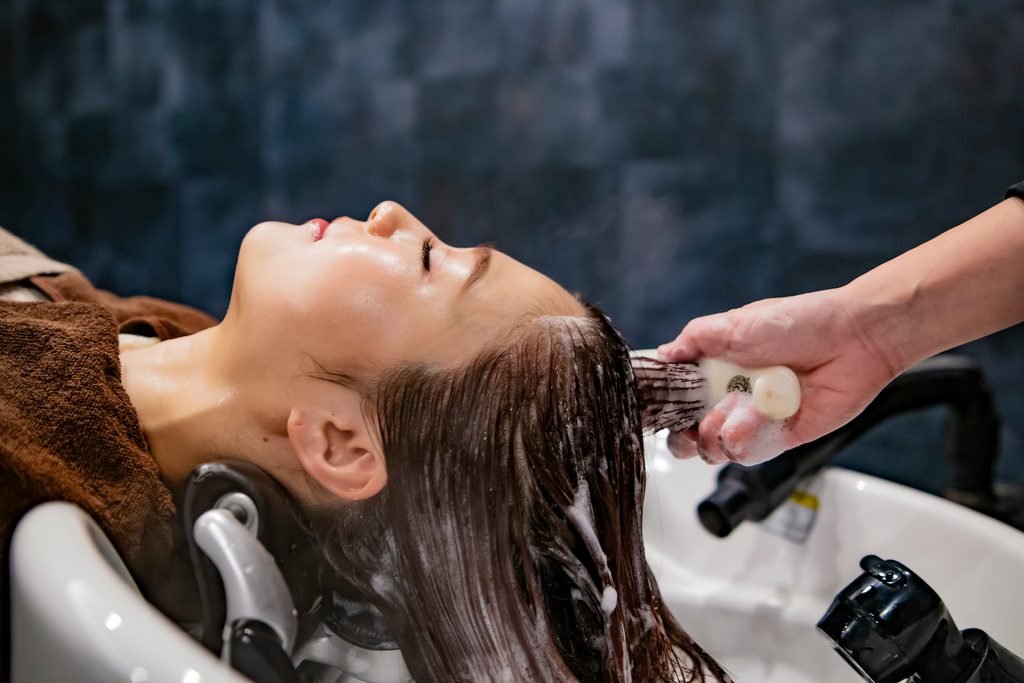
A person lying back at a shampoo bed with eyes closed and a calm expression. Alt: “Person relaxing during a head spa session at a shampoo bed in San Diego”
Hands giving a gentle scalp massage. Alt: “Gentle scalp massage during a head spa treatment for relaxation”
A “may help / can’t do” graphic styled like a two-column checklist. Alt: “Checklist of what a head spa may help with and what it cannot do”
A person doing a quick at-home scalp massage in the shower. Alt: “Person giving themselves a simple scalp massage at home”
FAQ Schema (JSON-LD)
{
“@context”: “https://schema.org“,
“@type”: “FAQPage”,
“mainEntity”: [
{
“@type”: “Question”,
“name”: “What are the main head spa benefits?”,
“acceptedAnswer”: {
“@type”: “Answer”,
“text”: “Most people enjoy the relaxation, the fresh-feeling scalp, and the calm break from daily stress. The benefits are mainly about comfort and a sense of well-being. Results vary from person to person.”
}
},
{
“@type”: “Question”,
“name”: “Is a head spa good for you?”,
“acceptedAnswer”: {
“@type”: “Answer”,
“text”: “For many people, it’s a pleasant, relaxing treat. It isn’t a medical treatment, though, so it shouldn’t replace advice from a doctor or dermatologist. If you have health concerns, check with a professional first.”
}
},
{
“@type”: “Question”,
“name”: “Does a head spa help with hair growth or dandruff?”,
“acceptedAnswer”: {
“@type”: “Answer”,
“text”: “No. Head spas are wellness treatments and aren’t designed to treat hair loss, dandruff, or other conditions. If those are a concern, see a doctor or dermatologist.”
}
},
{
“@type”: “Question”,
“name”: “How is a head spa different from a regular scalp massage?”,
“acceptedAnswer”: {
“@type”: “Answer”,
“text”: “A scalp massage can be a short, simple technique you do yourself or get as part of another service. A head spa is a longer experience that combines massage with cleansing, warm water, and a calm setting.”
}
},
{
“@type”: “Question”,
“name”: “How often should I get a head spa?”,
“acceptedAnswer”: {
“@type”: “Answer”,
“text”: “There’s no single right schedule. Some people go as an occasional treat, while others make it a regular habit. It depends on your budget, your preferences, and how you feel.”
}
}
]
}
Notes for your edit pass: Resolve every [VERIFY] before publishing, especially session lengths, licensing, and neighborhood availability. I kept all benefit language to relaxation, comfort, and well-being, and avoided any health or hair-growth claims. If you cite outside sources for massage and relaxation, make sure each one directly supports the specific sentence it’s attached to. Consider adding a line on how the San Diego spas you feature describe their own benefits, so the article matches what readers will see on the menu.
Hi, this is a comment.
To get started with moderating, editing, and deleting comments, please visit the Comments screen in the dashboard.
Commenter avatars come from Gravatar.