
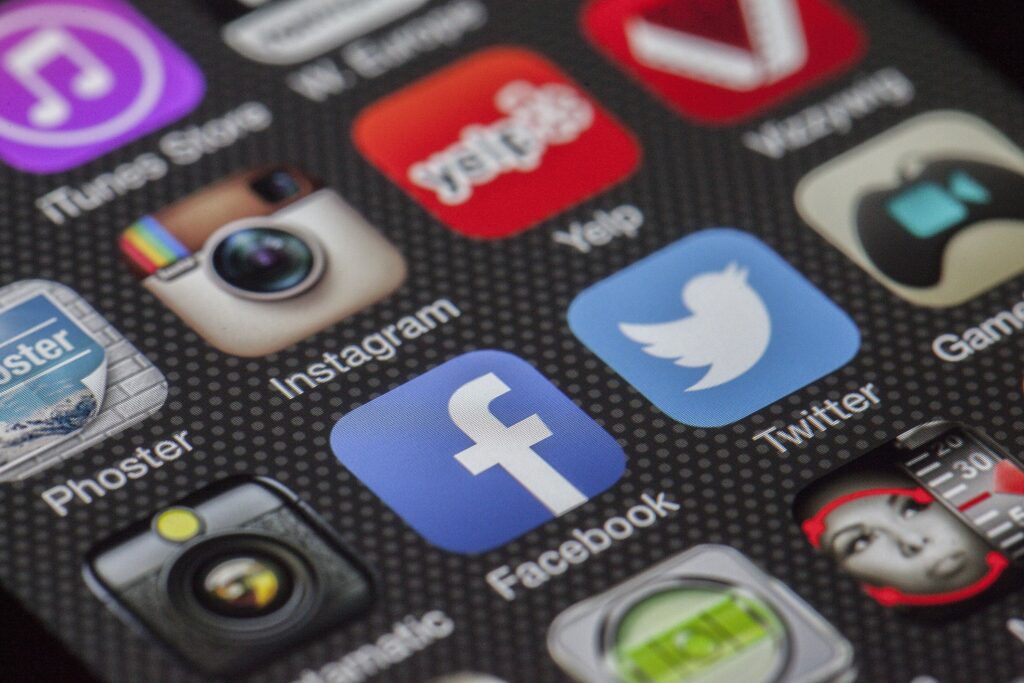
Quick Answer: Head spas went viral largely because they look and sound relaxing on video: warm water, slow hands, soft lighting. Social media made a quiet salon service easy to share and easy to want. The trend is real, but the videos show a highlight reel, not a medical result.
Some trends explode because they’re loud. The head spa did the opposite.
Scroll long enough and you’ll hit it: a close-up of a scalp, a slow stream of water, a soft voice, maybe a gentle crackle of bubbles. Your thumb stops. Your shoulders drop. You realize you’ve watched 40 seconds of someone else’s shampoo.
If you’ve wondered why head spas went viral, you’re in good company. In this guide, you’ll learn what fueled the head spa trend, why these videos work so well, what social media shows versus what really happens in a session, how to spot hype, and how to try one in San Diego without getting swept up in the algorithm.
A quick note on facts: we don’t have reliable numbers on views, bookings, or growth, so we won’t make any up. Where the data is fuzzy, we say so.
Why Did Head Spas Go Viral?
Head spas went viral because the treatment is built for video: it’s visual, soothing, and easy to understand in a few seconds. It also taps into a very common wish for calm.
Here are the most likely ingredients, based on how wellness trends tend to spread rather than hard data:
It’s satisfying to watch. Flowing water, foam, and slow, repeated motion are the kind of thing people love to watch.
It’s easy to understand. You don’t need a caption to get it. Someone is being pampered.
It’s relaxing even on a screen. Many people say these videos feel calming to watch. [VERIFY: keep this as general experience unless you can cite a source.]
It’s relatable. Almost everyone has a head, a scalp, and some stress.
It feels like an upgrade, not a leap. A head spa is a gentler step into spa culture than some treatments.
[VERIFY: only add specifics on when and where the trend took off, or which platforms drove it, if you can cite a credible source. Don’t include view counts or popularity statistics without one.]
What Is It About Head Spa Videos That Works?
The videos work because they combine sensory cues, a clear before-and-after feeling, and a promise of calm in under a minute. They’re short, soothing, and shareable.
Common ingredients you may notice:
Video element
Why it grabs attention
Close-ups of hands and hair
Intimate and detailed
Flowing water and foam
Visually soothing
Soft music or ASMR-style sound
Calming and immersive
Scalp camera footage
Curious and a little dramatic
A relaxed, sleepy client
Makes viewers want that feeling
A tidy “finish” with glossy hair
A satisfying ending
ASMR, short for autonomous sensory meridian response, describes a tingly, calming feeling some people report from certain sounds and visuals. Not everyone experiences it, and research on it is still limited. [VERIFY: confirm the ASMR description with a reliable source, or simplify it to “relaxing sounds and visuals.”]
Why Are Head Spas Popular Beyond the Videos?
Head spas are popular because they offer something many people crave: a quiet, screen-free hour that feels special but isn’t complicated. Social media may have introduced the idea, but the experience is what keeps people booking.
Here are a few reasons the appeal goes deeper than the algorithm:
Self-care is mainstream. Many people now treat wellness as a habit, not a luxury.
It’s a real break. It’s tough to scroll while someone washes your hair.
It’s approachable. You lie back. That’s the whole job.
It’s a gift-friendly treat. Easy to book for yourself or someone else.
It carries cultural cachet. Many people are curious about Japanese, Korean, and other scalp-care traditions. Our guide to head spas around the world explains the styles.
We don’t have reliable data on how many people try head spas, so we won’t guess.
What Do Social Media Videos Show, and What Do They Leave Out?
Videos show the most photogenic moments, edited down to a minute or less. A real session is usually longer, quieter, and less dramatic.
What the videos often show
Satisfying close-ups and quick cuts
The most dramatic-looking moments
The cleanest, most polished ending
Soothing sounds and visuals
What they often leave out
The consultation and your questions
The full length of the session [VERIFY: typical session lengths at San Diego spas]
Pricing, add-ons, and booking details
Anything that doesn’t look good on camera, like normal variation from person to person
Your own comfort, which depends on pressure, temperature, and scent
A fair rule: videos are entertainment. Your experience may look different, and that’s fine. For a realistic play-by-play, read our walkthrough of what happens during a head spa session.
How Do You Tell Hype From Reality?
Treat dramatic claims and “magic results” with caution. A head spa may help with relaxation, scalp comfort, and a sense of well-being. It doesn’t cure or treat hair loss, dandruff, or any scalp condition.
Watch for these red flags in videos and ads:
❌ “Cures dandruff” or “stops hair loss”
❌ “Guaranteed regrowth”
❌ “Detox your scalp” (a vague claim with no clear meaning)
❌ “Before and after” results with no explanation of what was done
❌ Influencers who don’t mention that a spa gifted or discounted the service [VERIFY: for FTC disclosure guidance, link to the FTC’s endorsement page if you want to mention this.]
And some good signs:
✅ Honest language about relaxation and comfort
✅ Clear descriptions of steps, time, and price
✅ Staff who are glad to say, “that’s one for your doctor”
Our head spa benefits guide covers what a session can and can’t do.
What about scalp camera footage?
Scalp camera clips are popular because they look dramatic. A camera shows what the surface of your scalp looks like that day. It isn’t a medical diagnosis, and a spa practitioner isn’t a doctor. If something worries you, such as ongoing itching, flaking, redness, pain, or hair thinning, see a doctor or dermatologist.
Is the Head Spa Trend Here to Stay?
Nobody knows. Wellness trends can fade or settle into everyday life, and it’s too early to say which way head spas will go.
What we can say is that the underlying appeal, slow touch and a quiet hour, has been valued across many cultures for a long time. If the buzz fades, the idea probably won’t.
Is a Viral Head Spa Worth Trying?
It can be, if you go in with realistic expectations. Many people enjoy it as a relaxing treat, and the trend has made it easier to find one. Whether it’s worth it depends on your goals and budget. Our cost guide, Is a Head Spa Worth It?, can help you decide.
Before you book because of a video, ask yourself:
✅ Do I want relaxation, or am I hoping for a medical fix?
✅ Can I afford it without stress?
✅ Do I enjoy scalp massage and being touched on the head?
✅ Have I read what’s actually included?
What to Expect on Your First Visit
Expect a calm, guided experience that’s slower and less cinematic than the videos. Tell the practitioner it’s your first time.
Before you go
✅ Read the service description and ask what’s included
✅ Share allergies, sensitivities, and fragrance concerns when you book
✅ Skip heavy styling products that day if you can
✅ Wear a comfortable top that’s easy to drape with a towel
✅ Silence your phone (and resist filming the whole thing)
During your session
✅ Speak up about water temperature and pressure
✅ Say so if you’d rather skip the scalp camera or any add-on
✅ Ask before taking photos or video, since some spas have rules about it [VERIFY: typical photo and video policies at San Diego spas]
After your session
✅ Sit up slowly and drink some water
✅ Ask about aftercare
✅ Contact the spa if you notice irritation, and see a doctor if it continues
If you have a scalp condition, a recent procedure, or other health concerns, read our head spa safety guide and check with your doctor first. For etiquette basics, see our head spa etiquette guide.
Local Tip: How to Choose a Head Spa in San Diego (Beyond the Video)
Choose a spa for what it actually offers, not how its feed looks. Compare menus, ask questions, and look for clear, honest descriptions. Neighborhoods with plenty of salons and wellness businesses, such as La Jolla, North Park, Pacific Beach, Little Italy, and the Convoy Street area, are good places to start. [VERIFY: which neighborhoods currently have head spa offerings]
What to look for
Substance over style. A polished feed doesn’t guarantee a good session.
Clear service descriptions. Steps, timing, and what’s included.
Cleanliness. Fresh towels, tidy stations, clean tools.
Trained staff. Ask about training and experience. [VERIFY: whether California requires specific licensing for scalp treatments]
Honest language. Relaxation and comfort, not cures.
Questions to ask before booking
What’s included in the session, and how long does it last?
What products do you use, and can I see the ingredients?
Is the scalp camera optional?
Can I take photos or video?
What’s your cancellation policy? [VERIFY: typical policy]
For pricing, check each spa’s website or call. [VERIFY: typical San Diego price range]. Recent reviews can help, but they reflect one person’s experience. Be a little cautious with reviews and videos that look like ads.
Frequently Asked Questions
Why did head spas go viral?
Head spas are visual, soothing, and easy to understand in a few seconds, which suits short videos. They also appeal to a common wish for calm. We don’t have reliable data on exactly how or when the trend took off.
Is the head spa trend just hype?
Partly, but the appeal is real. Many people enjoy the relaxation and the screen-free break. The hype comes in when videos or ads suggest medical results, which head spas can’t deliver.
Are TikTok head spa videos realistic?
They show highlights, edited to be satisfying. A real session is usually longer and quieter. Your experience will depend on the spa, the steps included, and your own comfort preferences.
Can a head spa fix problems I see on a scalp camera?
No. A scalp camera shows the surface of your scalp, but it isn’t a diagnosis, and a head spa isn’t medical care. If you’re worried about itching, flaking, redness, pain, or hair thinning, see a doctor or dermatologist.
Will head spas stay popular?
It’s too early to know. Trends change, but the idea of slow, careful attention to the head has appealed to people in many cultures for a long time.
Conclusion: Why Head Spas Went Viral (and Why They’ll Outlast the Feed)
Head spas went viral because they’re a perfect match for the screen: soothing, visual, and instantly understandable. But the real draw is simpler than any video. It’s warm water, slow hands, and a quiet hour that’s all yours. Enjoy the trend, keep your expectations realistic, and book for how it feels, not how it films.
Want to keep exploring? Browse more head spa guides on the blog to plan your first visit.
Publishing Extras
Suggested URL Slug
/why-did-head-spas-go-viral
Internal Link Ideas
“Head Spas Around the World: A Cultural Tour from Tokyo to Seoul to San Diego” (link from the “popular beyond the videos” section)
“Head Spa Benefits: What It Can (and Can’t) Do for You” (link from the “hype vs. reality” section)
“Is a Head Spa Worth It? An Honest Look at Cost and Value” (link from the “worth trying” section)
Also consider “What Happens During a Head Spa Session?” and “Head Spa Etiquette” in the first-visit section.
Authoritative External Source Types to Cite
Consumer protection sources (such as the Federal Trade Commission’s guidance on influencer and endorsement disclosures) for tips on spotting sponsored content and exaggerated claims. [VERIFY: cite only pages that directly support the point you make]
Dermatology organizations (such as the American Academy of Dermatology) for scalp health basics and when to see a doctor
Image Ideas With Alt Text
A phone showing a blurred, soothing spa video next to a cup of tea. Alt: “Phone playing a calming head spa video beside a cup of tea”
A person reclined at a shampoo bed with a towel wrap and eyes closed. Alt: “Person relaxing during a head spa session in San Diego”
A split graphic: “What the video shows” and “What a real session includes.” Alt: “Comparison of what head spa social media videos show versus a real session”
A “hype vs. reality” checklist graphic. Alt: “Checklist of head spa marketing red flags and honest claims”
FAQ Schema (JSON-LD)
{
“@context”: “https://schema.org“,
“@type”: “FAQPage”,
“mainEntity”: [
{
“@type”: “Question”,
“name”: “Why did head spas go viral?”,
“acceptedAnswer”: {
“@type”: “Answer”,
“text”: “Head spas are visual, soothing, and easy to understand in a few seconds, which suits short videos. They also appeal to a common wish for calm. We don’t have reliable data on exactly how or when the trend took off.”
}
},
{
“@type”: “Question”,
“name”: “Is the head spa trend just hype?”,
“acceptedAnswer”: {
“@type”: “Answer”,
“text”: “Partly, but the appeal is real. Many people enjoy the relaxation and the screen-free break. The hype comes in when videos or ads suggest medical results, which head spas can’t deliver.”
}
},
{
“@type”: “Question”,
“name”: “Are TikTok head spa videos realistic?”,
“acceptedAnswer”: {
“@type”: “Answer”,
“text”: “They show highlights, edited to be satisfying. A real session is usually longer and quieter. Your experience will depend on the spa, the steps included, and your own comfort preferences.”
}
},
{
“@type”: “Question”,
“name”: “Can a head spa fix problems I see on a scalp camera?”,
“acceptedAnswer”: {
“@type”: “Answer”,
“text”: “No. A scalp camera shows the surface of your scalp, but it isn’t a diagnosis, and a head spa isn’t medical care. If you’re worried about itching, flaking, redness, pain, or hair thinning, see a doctor or dermatologist.”
}
},
{
“@type”: “Question”,
“name”: “Will head spas stay popular?”,
“acceptedAnswer”: {
“@type”: “Answer”,
“text”: “It’s too early to know. Trends change, but the idea of slow, careful attention to the head has appealed to people in many cultures for a long time.”
}
}
]
}
Notes for your edit pass:
No stats on purpose. I included no view counts, search-growth figures, or “X million bookings” claims. If you want data, pull it from a credible source (for example, Google Trends, with the date range noted) and cite it.
Reasons for virality are informed guesses. The “why” section is framed as how wellness trends typically spread, not as documented fact about head spas. Keep that framing unless you find sourced research.
Primary keyword. Your title and keyword list had several options. I used “why did head spas go viral” as the primary phrase, with “head spa trend,” “TikTok head spa,” and “head spa social media” worked in naturally. The exact phrase appears in the SEO title, meta description, Quick Answer area, first 100 words, an H2, and the conclusion. “TikTok” appears in the FAQ and as a natural term; add it to a heading if you want stronger targeting.
ASMR. I included a short definition flagged for verification. Simplify it if you can’t source it.
Photo/video policies. I suggested asking before filming. Confirm local spa norms before stating them as rules.
Influencer disclosure. The FTC mention is flagged. Link to the FTC’s actual guidance page if you keep it.
Neighborhoods. Confirm which San Diego areas actually offer head spas before naming any.
Resolve every [VERIFY], especially licensing, pricing, session lengths, and any claim about when or where the trend started.